- Home
- Door Services
- Insulated Garage Doors
Insulated Garage Doors in Houston, TX
In a city with ninety-plus days over ninety degrees, the garage is the hottest room you own. An insulated door is the single biggest lever on that number, and it quiets the whole system as a bonus.
- Polystyrene vs polyurethane
- R-value upgrades
- Double vs triple layer construction
Answering 24/7. Flat written price before work starts.
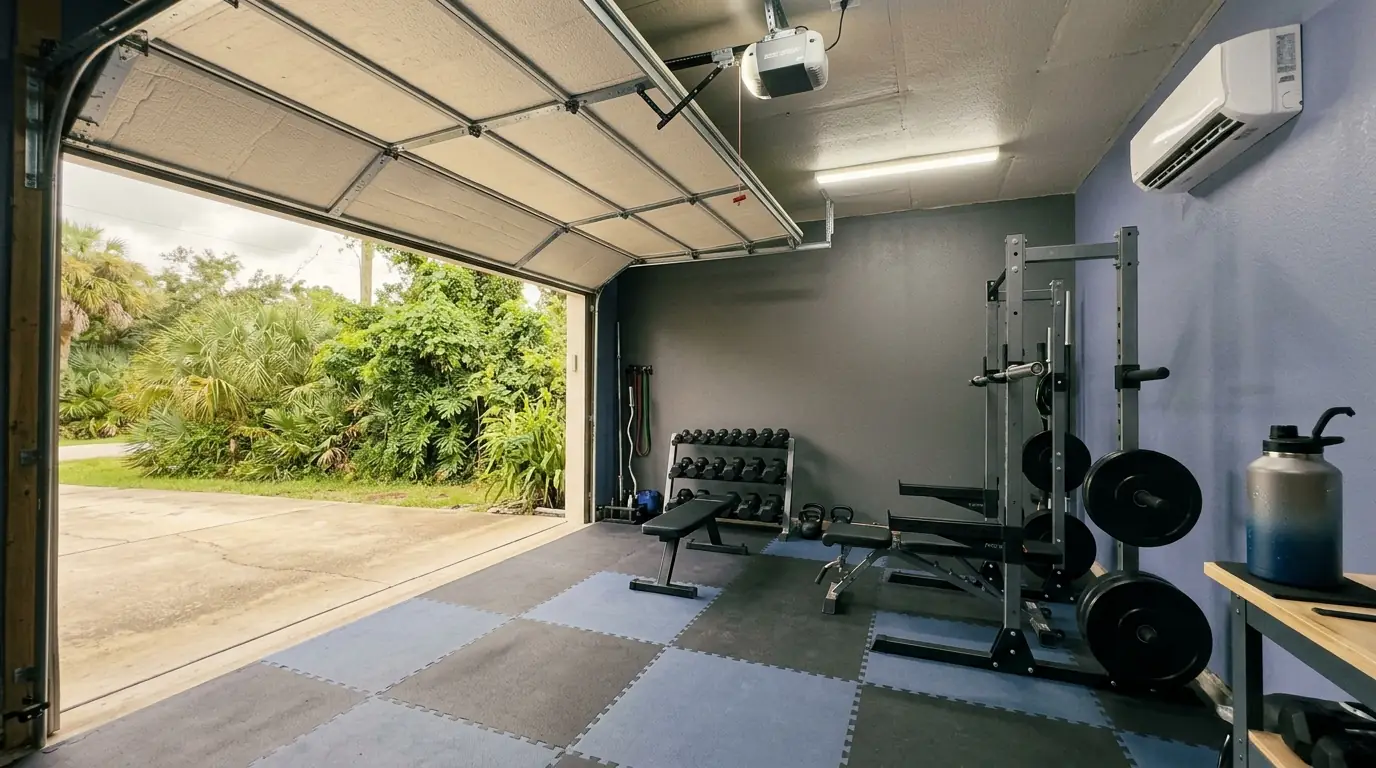
Do insulated garage doors matter in Houston? On an attached garage, emphatically: an insulated door can hold a garage ten to twenty degrees closer to civilized on summer afternoons, which the rooms above and beside it feel directly. Expect $200 to $500 over a comparable non-insulated door, polyurethane cores outperforming polystyrene, installed with the seals that let the core actually work.
What this covers
What insulation does on a garage door
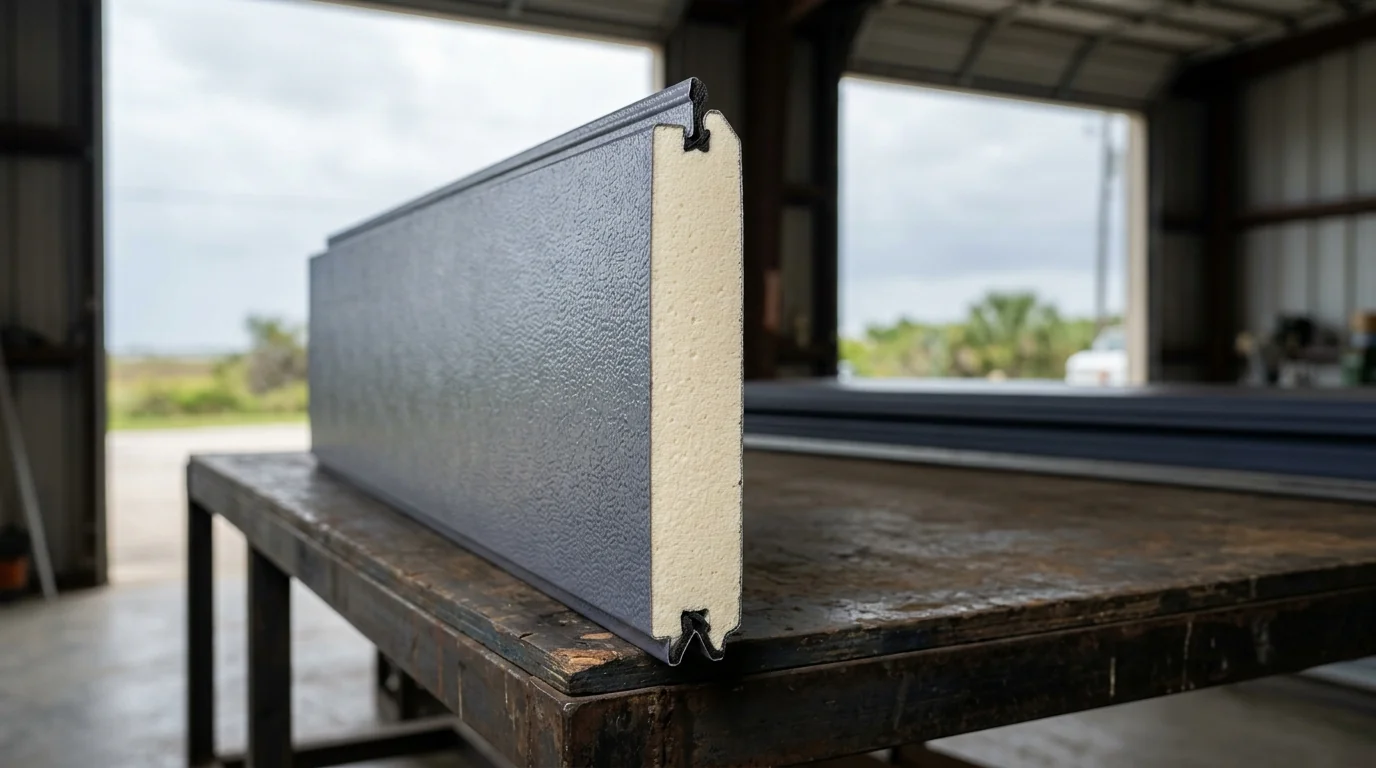
A garage door is a huge, thin wall. Uninsulated, it conducts the afternoon straight inside, radiating heat into the garage like a griddle, and every attached room pays for it through the shared walls and the bonus-room floor above. An insulated door interrupts that: polystyrene panels or injected polyurethane fill the sections, and sandwich construction wraps the core in steel both sides.
The numbers to know are construction and core. Double-layer doors glue insulation behind a single skin; triple-layer sandwiches it between two, stiffer and better sealed. Polystyrene is the economical core; polyurethane, injected to fill every cavity, roughly doubles the R-value in the same thickness and bonds the skins into a notably rigid, quiet panel. R-values on good residential doors run from about 6 to 18.
Insulation also changes how the door behaves: sandwich panels flex less, rattle less, dent less and run quieter on the track, and the dampened sections take the drama out of every open and close. People buy the door for the heat and end up praising the silence.
What it costs
Insulated door pricing
Insulation is a tier upgrade on the door you were already buying:
| Insulated upgrade over standard | add $200 to $500 |
|---|---|
| Double layer insulated double door | $1,100 to $1,700 installed |
| Triple layer polyurethane double door | $1,400 to $2,400 installed |
| Full replacement range for context | $750 to $1,700 |
| Perimeter seal refresh with install | included |
| Insulated glass on glazed rows | add $200 to $600 |
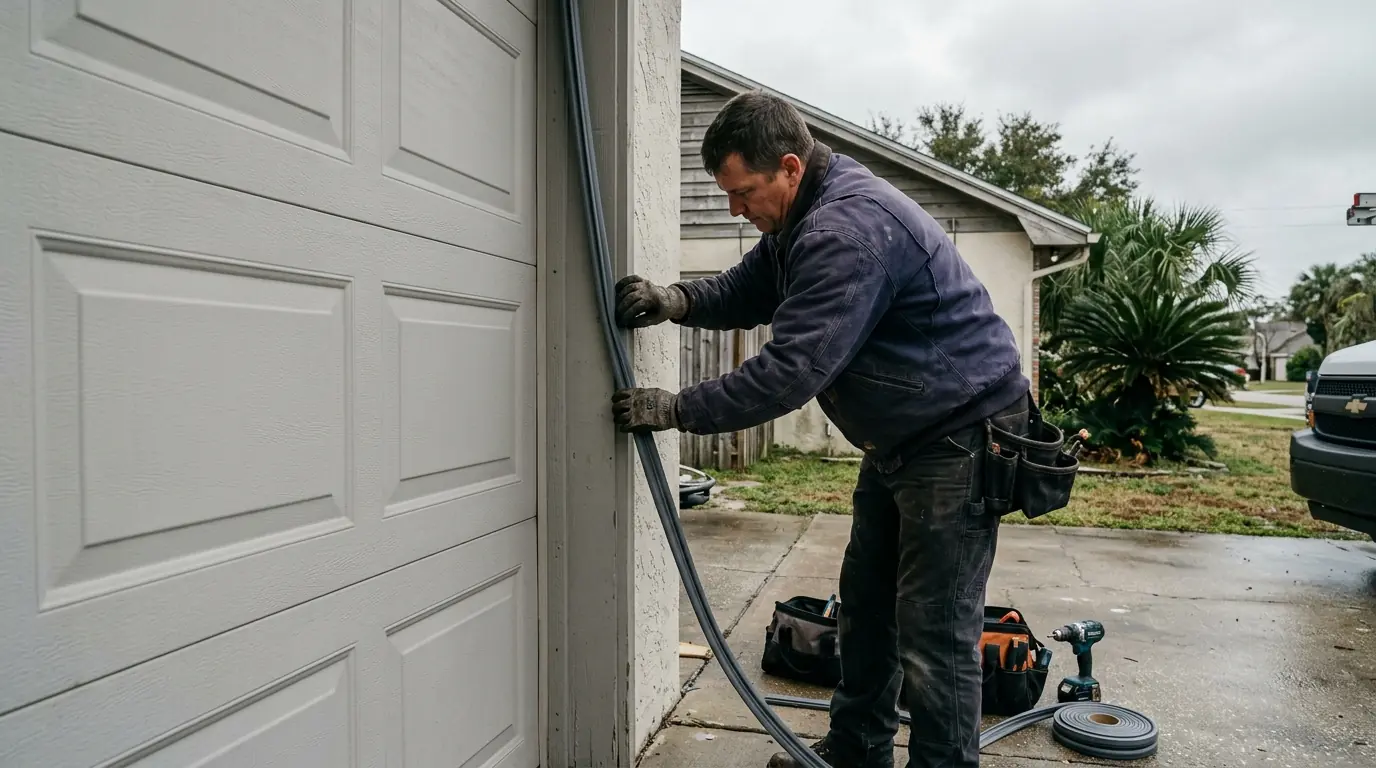
Quotes are flat and installed, with the seal package included because insulation without sealing is theater. Call us and we will go over current warranty terms by line and core type.
Choices to make
Insulation tiers
Double layer, polystyrene
The entry point: real improvement over bare steel at the smallest premium.
Triple layer, polystyrene
Sandwich construction with the economical core: stiff, quiet, mainstream.
Triple layer, polyurethane
The performance tier: highest R-values, stiffest panels, the pick for conditioned or bonus-room garages.
Insulated commercial doors
The same logic at building scale, covered with our commercial installation work.
Ways this job shows up
Insulated Garage Doors jobs we handle
Polystyrene vs polyurethane
Polystyrene versus polyurethane is the core decision; we show the R-value and rigidity difference with cutaway samples.
R-value upgrades
R-value upgrades are matched to the garage's job rather than sold by the biggest number.
Double vs triple layer construction
Double versus triple layer construction decides stiffness, quiet and how the garage-side face finishes.
Insulated commercial doors
Insulated commercial doors bring the same comfort math to shops, bays and conditioned warehouses.
Before you call
Whether insulation pays on your garage
- Attached or detached: attached garages with living space above or beside them gain most.
- How the garage is used: gyms, workshops and laundry routes feel the difference daily.
- Orientation: west-facing doors take the worst of the afternoon and reward the upgrade most.
- Existing seals: insulation works with weatherstripping, so tired seals get replaced at install.
- Opener age, since the heavier insulated door should be matched against its rating.
Houston conditions
The Houston heat case
Houston logs around 94 days a year at 90 degrees or above, with August afternoons parked in the mid-90s, and an uninsulated attached garage rides even higher inside. That heat does not stay in the garage: it loads the shared walls, cooks the bonus room above, and leans on the air conditioning all season. The door is most of the garage's exterior wall, which is why it is the first and best place to put insulation money.
Winter is the quiet second argument. Our handful of hard freezes arrive suddenly, and the difference between a 35-degree garage and a 50-degree one matters to water heaters, pipes and anything stored out there. An insulated door with fresh perimeter seals carries that week too.
How the visit runs
From your call to a working door
Call and talk it through
Describe the door and what you want from it. We give realistic ranges on the phone before anyone drives out.
Measure and quote
A technician measures the opening, checks the track and framing, and writes a flat quote with options.
Order or pull from stock
Common sizes and hardware come off the truck; special orders are scheduled the day they land.
Install and adjust
Old parts come down, new ones go up, and the door is tensioned and aligned to the opening, not to a chart.
Walkthrough and test
You see the balance test, the safety reversal test and every remote programmed before we leave.
Straight answers
Questions about insulated garage doors in Houston
On attached Houston garages we commonly see summer afternoon improvements of ten to twenty degrees versus an uninsulated door, exposure and sealing depending. The attached rooms feel it too, which is where the comfort and AC math really lives.
For an attached garage used as living-adjacent space, the polyurethane tier around R-12 to R-18 earns its cost; for a buffered or detached garage, R-6 to R-9 polystyrene covers it. The honest answer is matched to the garage's job, and door R-numbers compare within doors, not against wall assemblies.
Polyurethane is injected, filling every cavity and bonding the skins, which roughly doubles insulation per inch and makes a stiffer, quieter panel. Polystyrene is cut sheets, cheaper and effective. Budget decides more arguments than physics here, and both are legitimate.
It lowers the load the garage places on the house, which shows up most on homes with bonus rooms over the garage or ducts running through it. We will not invent a dollar figure for your bill; we will promise the garage itself changes character in July.
The springs, not the opener, carry a door's weight, and we spring the new door to its actual mass as part of every install. The opener is checked against its rating; most modern units handle insulated residential doors without comment.
Twice over. Street and weather noise transmit less through cored panels, and the door's own operation quiets dramatically because sandwich sections do not drum and rattle the way single skins do.
Kits exist, and we will be straight: they add some value on sound single-layer doors but cannot match sandwich construction, they add weight that demands re-springing, and on a tired door they are money toward the wrong problem. We will tell you which side of that line your door sits on.
Yes, meaningfully. During the hard-freeze events Houston now plans for, an insulated, well-sealed door keeps the garage, and the pipes and water heater living there, clearly warmer than an uninsulated one.
Related work
Services people book alongside this one
Ready when your door is not
Calls answered 24/7 across Houston and the surrounding counties. Flat written pricing, stocked trucks, one-visit fixes for the common failures.